

Quick answer: A2P 10DLC registration is the process U.S. carriers require before businesses send text messages from standard local 10-digit phone numbers through software, a CRM, or a business phone system. You register your brand (who you are) and your campaign (what you will send and how people opt in). Unregistered business texts can be filtered, delayed, charged extra carrier fees, or blocked. Approval commonly takes about one to two weeks, so register before you launch.
You can have the best phone system, the slickest VoIP platform, and the most perfectly written text message in the world, and still watch your SMS notifications fail to arrive.
Fun, right?
If your business sends text messages from a local 10-digit phone number, carriers now expect A2P 10DLC registration. Without it, messages may be filtered, delayed, or blocked altogether.
The acronym parade sounds intimidating, but the basic idea is straightforward: tell carriers who you are, what you plan to send, and how recipients consent to receive those messages. Let's walk through the practical stuff, no telecom smoke machine required.
What Is A2P 10DLC?
A2P means "Application-to-Person." It describes SMS or MMS messages sent from an application, software platform, CRM, or business phone system to an individual.
10DLC means "10-digit long code." In plain English, it's a standard local phone number with a familiar area code.
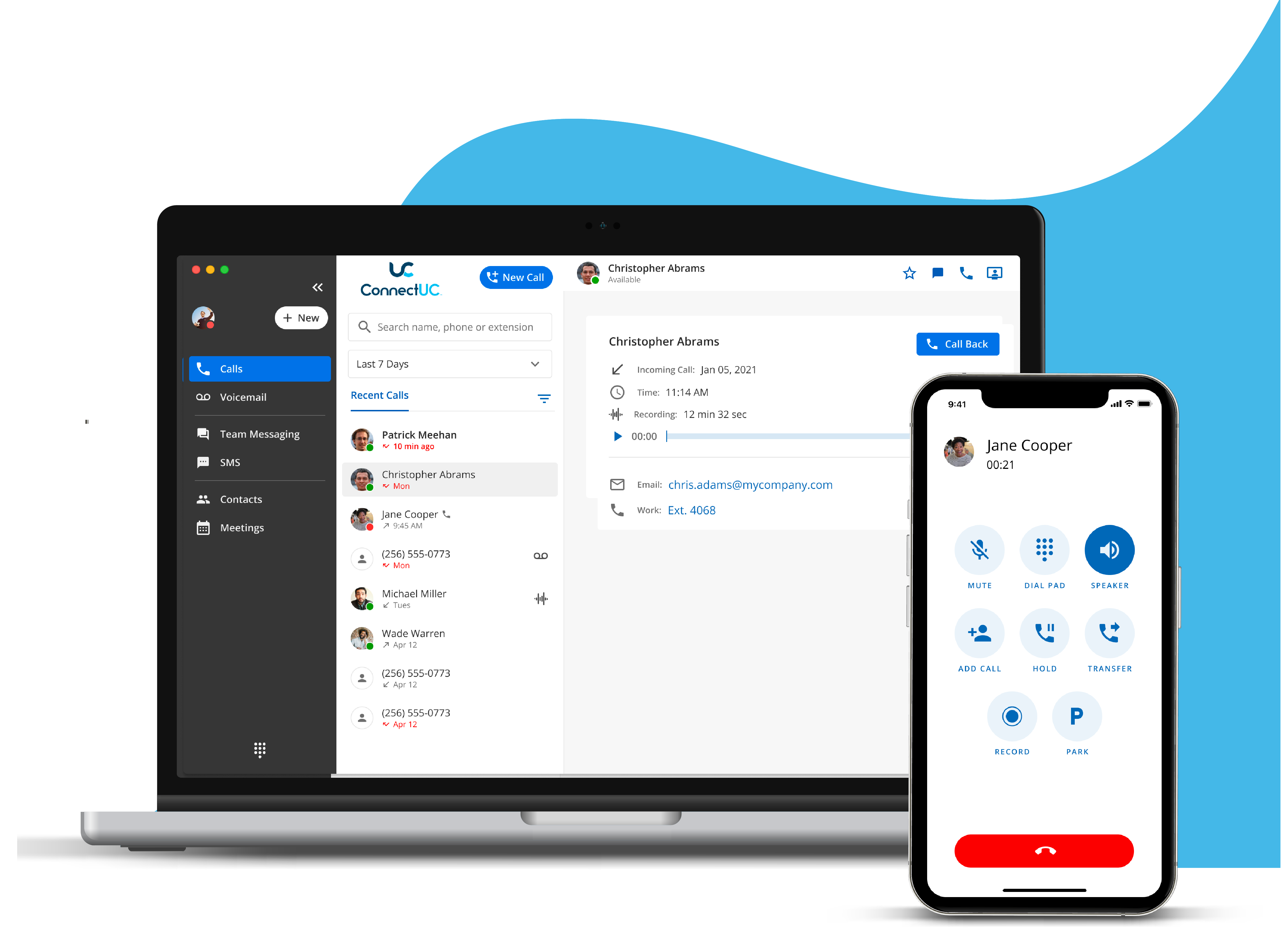
So when you send a customer notification from a VoIP phone system, PBX platform, scheduling software, or business messaging app, carriers generally treat that traffic as A2P messaging.
According to Twilio's A2P 10DLC documentation, registration applies to SMS and MMS sent to U.S. phone numbers over local 10-digit numbers. That includes messages sent from business phone numbers, even when those numbers look just like ordinary local numbers.
A2P 10DLC does not apply in exactly the same way to toll-free numbers or short codes. Those routes have separate verification and compliance processes.
Why Are Carriers Filtering Unregistered Business Texts?
Local phone numbers were originally designed for person-to-person communication. Over time, spam and unwanted automated messages created a mess, like a group text where nobody remembers who invited the suspicious number.
Carriers introduced A2P 10DLC to improve accountability and reduce spam. Registration gives carriers information about:
- The organization sending the messages
- The purpose of the SMS campaign
- How recipients provide consent
- How recipients opt out
- How recipients request help
- The types of content you plan to send
Without that information, carriers have fewer reasons to trust the traffic. Unregistered messages can face heavier filtering, additional carrier fees, lower delivery rates, or blocking.
Registration does not guarantee every message will arrive. It does give your traffic a compliant path and generally improves deliverability compared with unregistered business SMS.
Who Needs to Register for 10DLC?
Plan on registering if you send SMS or MMS to U.S. recipients from a local 10-digit number through a business application or phone system. That includes:
- A school sending absence or closure notifications
- A daycare sending pickup reminders
- A medical office sending appointment reminders
- A home care organization coordinating visits
- A warehouse notifying vendors about deliveries
- A professional office texting clients
- A multi-location company sending customer updates
- A business using CRM, scheduling, help desk, or PBX integrations
Smaller organizations need to register too. You do not have to be a national corporation or send thousands of messages a day for A2P rules to matter.
The Two Parts of 10DLC Registration
A2P 10DLC registration has two major pieces: brand registration and campaign registration.
1. Brand registration
Brand registration identifies the organization behind the messages. You may need to provide:
- Legal business name
- Business address
- Employer Identification Number (EIN)
- Business type
- Contact information
- Website and business details
The information should match your official tax and business records. A small mismatch, such as an abbreviated legal name or an outdated address, can cause delays or trigger additional review.
Brand types vary based on EIN status, organization type, and expected messaging volume. Common categories include sole proprietor, low-volume standard, and standard brands.
2. Campaign registration
Campaign registration describes what you plan to send. A campaign is not one individual text; it represents a messaging use case, such as:
- Appointment reminders
- Account notifications
- Customer care
- School or daycare notifications
- Delivery updates
- Employee communications
- Marketing messages
- Two-way customer support
You'll provide sample messages and explain how recipients opt in, opt out, and request help. For example, a medical office might register an appointment-reminder campaign with a sample like this:
Bright Smile Dental: Reminder, your appointment is scheduled for Tuesday at 2:00 p.m. Reply C to confirm or STOP to opt out. Msg & data rates may apply.
A school might register a notification campaign:
Oak Valley School: Early dismissal today at 1:00 p.m. Please follow the campus pickup instructions. Reply STOP to opt out of non-emergency messages.
The registered campaign and your actual messages need to match. Don't register for appointment reminders and then start sending unrelated promotions. Carriers do notice (apparently, they really do read the fine print).
Consent, Opt-In, Opt-Out, and HELP Requirements
A2P registration is not a substitute for permission. You still need a clear consent process before sending recurring business SMS. Your opt-in should explain:
- Who is sending the messages
- What types of messages recipients will receive
- How often messages may arrive
- That message and data rates may apply
- How recipients can opt out
- How recipients can request help
Consent can be collected through:
- A website form with an unchecked SMS consent box
- A patient or customer intake form
- A school or daycare registration process
- A keyword opt-in, such as texting JOIN
- A documented verbal opt-in
- An account or service enrollment workflow
Keep records showing when and how consent was given. Pre-checked boxes and vague "communications" language are not a great foundation.
For opt-out, support common keywords such as STOP, UNSUBSCRIBE, and CANCEL, and stop sending non-essential messages promptly once a recipient opts out. Provide a help path using HELP or a clearly listed phone number, email address, or support page. Your website privacy policy should also describe your SMS program; see HopDial's privacy policy for an example of SMS consent and opt-out language.
Separate marketing consent from operational notifications where appropriate. Someone may agree to appointment reminders without agreeing to promotional offers. Keeping those purposes clear protects both trust and compliance.
How Long Does 10DLC Registration Take?
The forms may take only a few minutes if you already have your business details, EIN, sample messages, and consent language ready. The review takes longer.
Current provider guidance commonly puts campaign approval at around seven business days, and reviews can stretch closer to 10 business days during periods of high submission volume. Brand registration is often faster, but discrepancies can lead to manual review and extra delays.
Plan ahead before launching a new notification program, moving to a new phone system, or connecting SMS to a CRM. "We need this turned on by tomorrow morning" is a familiar business phrase, but it does not impress carrier vetting teams.
What Does A2P 10DLC Registration Cost?
Costs vary by provider, brand type, campaign type, and messaging volume, so review current pricing from your phone system or messaging provider rather than an old forum post from 2022 (a bold choice in any compliance discussion).
For reference, Twilio's published A2P 10DLC fee information lists examples such as:
- $4.50 one-time fee for a sole proprietor brand
- $4.50 one-time fee for a low-volume standard brand
- $46 one-time fee for a standard brand
- Campaign vetting fees
- Monthly campaign fees
- Per-message carrier fees
These are provider-specific examples and can change. Your invoice may include registration charges, monthly campaign charges, regular SMS pricing, and carrier surcharges.
The good news: registration costs are usually far smaller than the operational cost of unreliable notifications, especially when messages involve school closures, patient reminders, delivery coordination, or urgent business updates.
What to Look For in a Phone System Provider
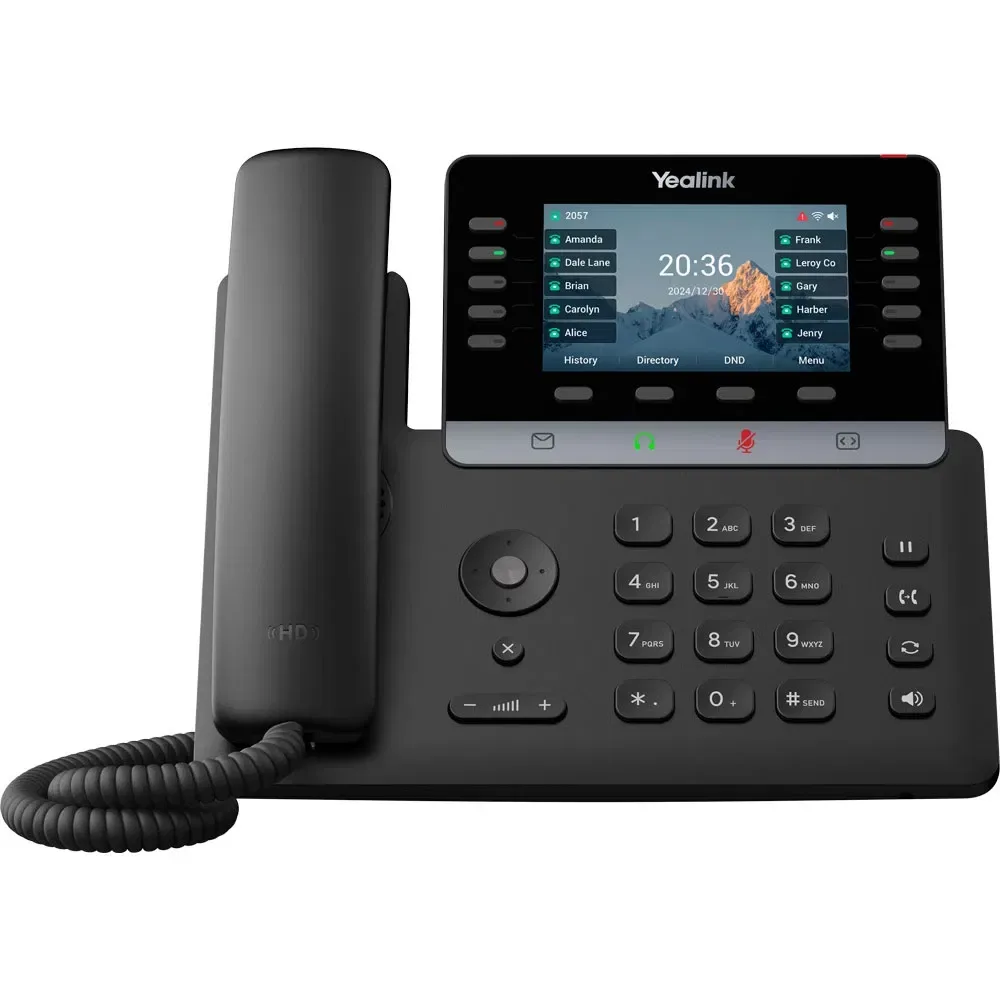
A phone system provider shouldn't just hand you a registration link and wish you luck. Look for practical support with:
- Brand registration: help gathering and submitting the correct business information.
- Campaign registration: help describing use cases, sample messages, and opt-in and opt-out processes accurately.
- SMS-enabled business numbers: clear visibility into which numbers support SMS and which are assigned to registered campaigns.
- Integrations: compatibility with the tools you already use, including CRM, scheduling, patient management, school notification, and help desk systems.
- Consent and message management: a way to manage opt-outs, document consent, and control who can send messages.
- Delivery visibility: reporting that shows whether messages were delivered, failed, or blocked.
- Ongoing compliance guidance: help updating registration when you add marketing, appointment reminders, emergency notifications, or new locations.
At HopDial, our business communication solutions include cloud VoIP, hosted PBX, business SMS and MMS, the HopDial Mobile & Web App, and integrations designed to keep teams connected, backed by US-based support. We can also discuss messaging workflows for K-12 schools, medical and dental offices, multi-location organizations, and other growing teams.

The Bottom Line
A2P 10DLC registration is not just another telecom form waiting to ambush you at the end of a phone system installation. It helps carriers understand who you are, what you send, and how recipients gave permission. It also helps you build a more reliable SMS program for customer notifications, patient reminders, school communications, employee updates, and two-way business texting.
Before blaming the phone system for failed messages, check the basics:
- Is your brand registered?
- Is your campaign registered?
- Are your numbers assigned correctly?
- Do your messages match the approved use case?
- Are you collecting and documenting consent?
- Are STOP and HELP requests working?
- Is your provider monitoring delivery and compliance?
If you're unsure where to start, contact HopDial for a practical conversation about business SMS, VoIP, PBX, integrations, and registration support. Sometimes the fastest way to solve a telecom problem is simply to talk it through with someone who deals with the acronyms every day.
Frequently Asked Questions
What is A2P 10DLC?
A2P 10DLC is the U.S. carrier framework for application-to-person text messages sent from standard local 10-digit phone numbers. Businesses register their brand and messaging campaign so carriers can verify who is sending and why.
What happens if I do not register for 10DLC?
Unregistered business texts sent from local numbers can be filtered, delayed, charged additional carrier fees, or blocked entirely, which means appointment reminders, school alerts, and customer updates may never arrive.
How long does 10DLC registration take?
Brand registration is often quick, while campaign review commonly takes around seven business days and can approach 10 business days during busy periods. Mismatched business details can add manual review time.
Do toll-free numbers need 10DLC registration?
No. A2P 10DLC applies to local 10-digit numbers. Toll-free numbers and short codes have their own separate verification and compliance processes.
How much does 10DLC registration cost?
Costs vary by provider. As one published example, Twilio lists a $4.50 one-time fee for sole proprietor and low-volume standard brands and $46 for standard brands, plus campaign vetting, monthly campaign, and per-message carrier fees.